


Eco-justice User
አለም አቀፍ የፕላስቲክ ብክለት ስምምነት፣ ለኢትዮጵያና ለአለም
የፕላስቲክ ብክለትን ለመቆጣጠር ዓለም አቀፍ ስምምነት ላይ ለመድረስ ሲካሄድ የቆየው የጄኔቫው ጉባኤ ካለውጤት ተጠናቋል። የምድርም ሆነ የውኃ አካላትን ከሚጣሉ የፕላስቲክ ቆሻሻዎች፤ እንዲሁም ከአደገኛ ንጥረ ነገሮች የሚዘጋጁ የፕላስቲክ ቁሳቁሶች እንዳይመረቱ በጋራ ለመወሰን አልተቻለም፡፡
የአለም ሀገራት ኬንያ ላይ ከሶስት አመት በፊት በተካሄደው ዓለም አቀፍ ጉባኤ ነበር ሕጋዊ አሳሪነት ያለው የጋራ ስምምነት እንዲኖር የተስማሙት። አላማው በዋናነት የፕላስቲክ ምርቶች ዳግም ለጥቅም መዋል የሚችሉበት እንዲሁም፤ የሚመረቱበት ጥሬ ዕቃም ምንነት ትኩረት እንዲያገኝ የሚለውን መሠረት ያደረገ ነው።
በዚህ መነሻነት ስድስት ተከታታይ ውይይትና ድርድሮች በሦስት ዓመታት ውስጥ ቢካሄዱም ሃገራት ከስምምነት ላይ አልደረሱም፡፡
The hidden reality of recycling from my walks with women who pick waste in Addis Ababa
By Nima Omar
She moves with the city, almost as if she is part of it. We walk through narrow alleyways, past apartment buildings and abandoned sites, her sharp eyes scanning the ground, quick and precise. As we step onto the main road, the pulse of Addis Ababa quickens with cars honking, crowds moving in all directions. Her movements shift, fluid, instinctive. She weaves through traffic, sidestepping cars and obstacles with ease. It is fast but never rushed. She knows exactly where to look, what to pick, and what she can sell.
September 14-Announcing the WINNERS! YOUR VISION, OUR FUTURE: CLIMATE JUSTICE ESSAY COMPETITION
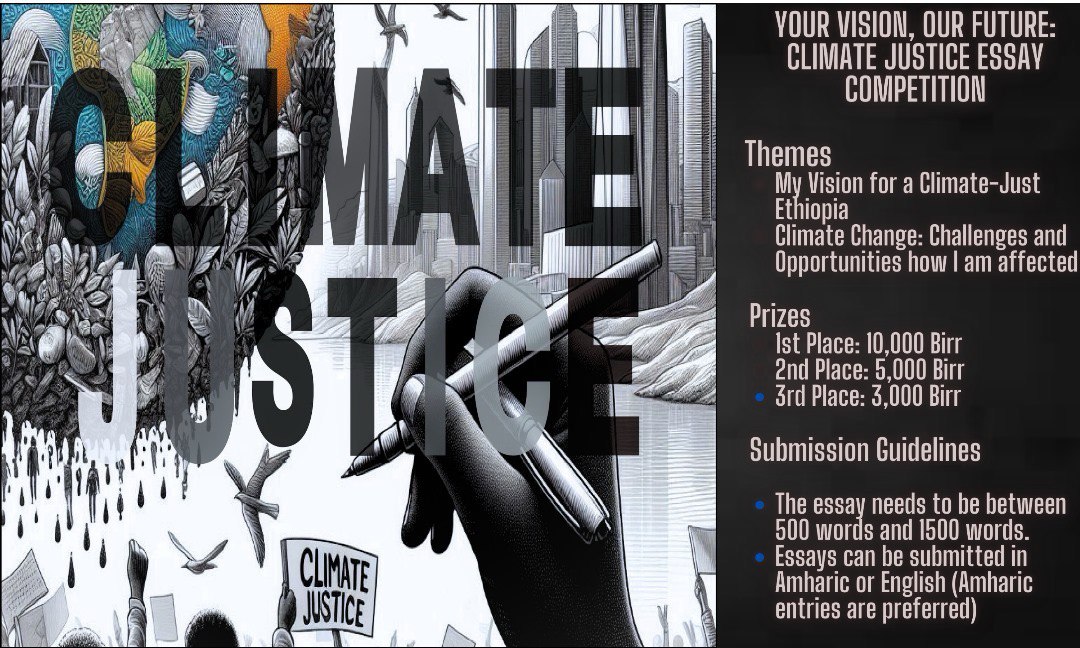
The race started in August 2024; Eco-justice Ethiopia, partnering with Serve Global Youth Volunteer Network, launched an essay competition for Ethiopian youth (age 15-29) with big ideas for a climate-just future.
More than 150 climate enthusiasts joined the essay competition to share their unique vision on tackling climate change and win up to 10,000 Birr. Participants were given options to choose from two inspiring themes:
🌍 "My Vision for a Climate-Just Ethiopia"
🌱 "Climate Change Challenges and Opportunities: How I am Affected"

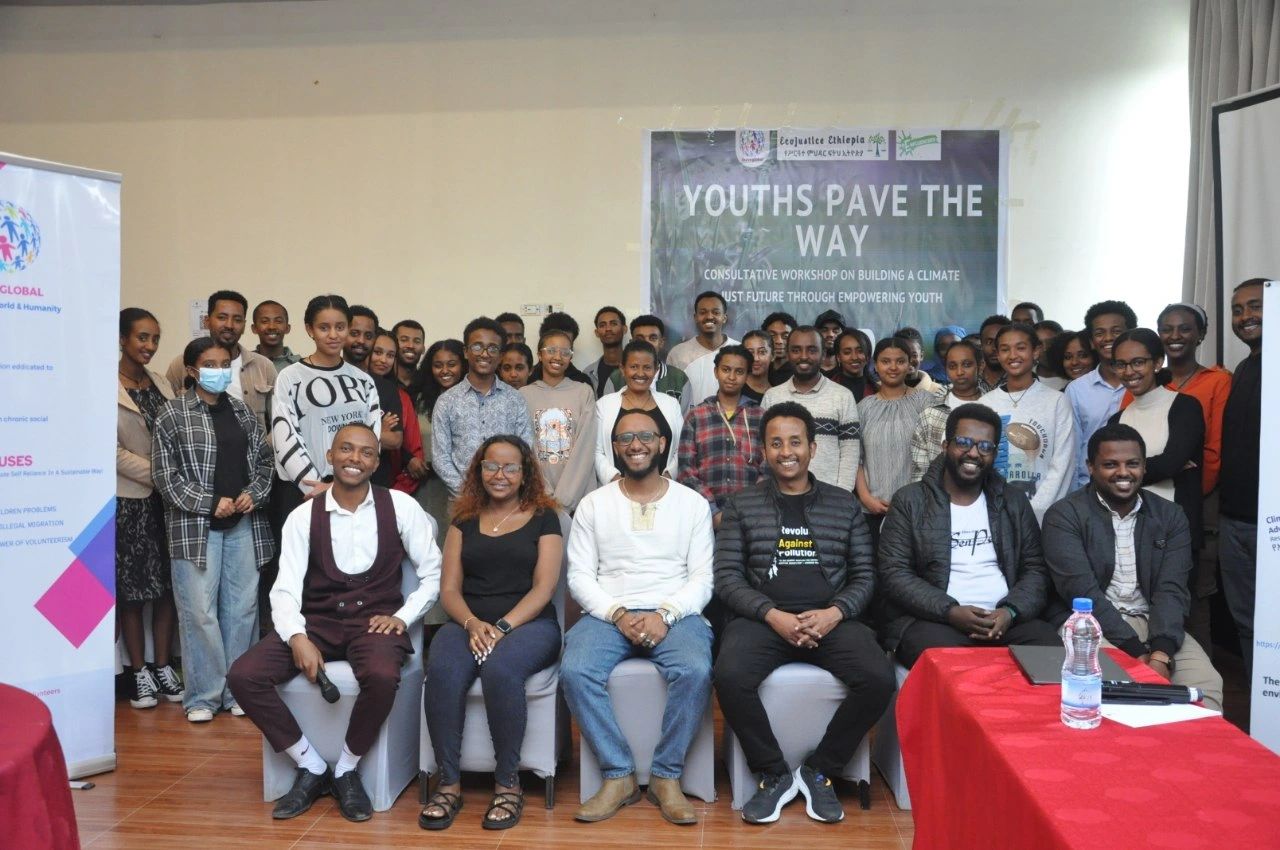
The winners were promised that their work would be published, and here we are keeping that promise. We invite you to read the top three winning essays awarded on 14th September 2024 at the "Youth Pave the Way for climate justice workshop" organized by Eco-justice Ethiopia, SG-YV, and Enfluencers.
|
1st place winner A Personal Wake-Up Call: Navigating Climate Change Challenges and Opportunities in My Life By Soliana Tafese |
2nd place winner By Blen Wendimu |
3rd place winner Climate change challenges and opportunities By Bontu Kedir |
I am Borena!
By Blen Wendimu
In August 2024, Eco-justice Ethiopia, partnering with Serve Global Youth Volunteer Network, launched an essay competition for Ethiopian youth (age 15-29) with big ideas for a climate-just future. This is the second of three winning entries.
Hi ! I am Borena. I am one of the southern regions in Ethiopia that was extremely affected by the climate change crisis in recent years. I am well known in my country as a major source of livestock, contributing significantly to the economy of the country and by my pastoralist lifestyle. My climate is mostly arid and semi-arid, and I have faced several challenges related to water security and drought in recent decades, but none I have seen in recent years like I faced recently . Though it was not all cupcakes and rainbows before, I managed to survive because of artificial water sources, with the man-made Haroo Bakke Pond being my main lifeline.
I had two rainy seasons where I got to fill out my artificial lakes and grow grass for my cattle. However, in recent years, things have changed drastically. It has not rained for four consecutive cycles, which makes it three years since it rained.
The situation has been harsh, and it killed a lot of my livestock. I was unable to migrate to other areas; as most of our lands were in the same dried conditions. At first I thought it would be like the previous drought where I would be affected but still manage to survive by moving to other areas or neighboring regions. However, I soon discovered that all my lands were also all dried, and my neighboring countries were also facing their own problems, like the spreading of disease. I still waited though, hoping maybe it will rain and this will all be over.
I watched my livestock die one by one. My cattle were my lifeline, They were my source of food, income and secured my children's future. I would sell one cattle to send my children to school and another to buy their clothing. That was my lifestyle. Once they died, I could not feed my children. Even mothers were not able to breastfeed their newborns because they were starving.
My elderly suffered, without anyone to care for them. Most of the young people were forced to search for water and food. Some perished in this desperate search, succumbing to starvation. Even when water sources were available by aid, they were too far away, and the surviving livestock were weak and dying. At the end, 3.3 million of my loved ones died, and 0.75 million were in high need of food. As a result, many of my people required immediate healthcare, with various diseases spreading due to extreme malnutrition in children and the elderly. My people suffered.
It didn't help that I didn't have much awareness about climate change or that I did not have an alarming system to inform me that I would be exposed to this amount of challenges. The mitigation and adaptation systems were also inadequate.There was also a lack of immediate humanitarian assistance available, which resulted in the loss of many lives.
I did not know what went wrong or what I did to upset the season; my people are saying it was God's wrath. But now I understand that climate change can exacerbate fragile environments like mine, making them even more vulnerable and susceptible to disasters.I was ready for the usual casual challenges of changes, but this one was massive. The longevity and magnitude of the depth of the drought are unfamiliar to the people and my leaders.
Due to global warming, areas like mine, which receive less rain, are facing an increased risk of frequent and severe droughts. This makes us particularly vulnerable. If there isn't a mechanism to defend our environmental rights, I fear this won't be the end of the disaster. We need to act now to protect our future. We could challenge these changes by motivating individuals to advocate for climate change and raise further awareness and innovation in responses to climate change. Additionally, further structuring our policies in response to climate crises and solutions is a necessary step we need to take.
I envision a future where my young ones can speak out about our struggles, where they lead the way in finding new solutions to this crisis. We need a world that listens to our stories, and acknowledges the devastating impact of climate change. This isn't just a threat to how we live, it's a danger to our very existence as humans. We're living through the nightmare of a world out of balance, a world where the very things that keep us alive are turning against us. I dream of a world that sees us, that understands our struggles, and joins us in protecting our home, Earth. A world where we stop polluting our planet, ensuring that all people have the right and freedom to thrive.I envision a safe environment to live in for all!
***
A Personal Wake-Up Call: Navigating Climate Change Challenges and Opportunities in My Life
By Soliana Tafese
In August 2024, Eco-justice Ethiopia, partnering with Serve Global Youth Volunteer Network, launched an essay competition for Ethiopian youth (age 15-29) with big ideas for a climate-just future. This is the first of three winning entries.
It was a typical evening in Addis Ababa, and I was happily lost in my favorite TV show, wrapped up in my cozy corner of the couch. Just as I got to the good part, my dad marched in at 8 p.m. sharp with his usual, “Time for the news!” I rolled my eyes, muttering, but I knew better than to argue. So, with a sigh, I switched to the national channel, expecting the same old mix of politics and sports. But then, a headline flashed across the screen that made me sit up straight: “Climate Change Threatens Ethiopia’s Coffee Production.” My first thought? “What? Climate change? Affecting our coffee?” I am a serious coffee lover—I mean, who isn’t in Ethiopia? Coffee is not just a drink here; it is a way of life. So, to hear that something as distant sounding and abstract as climate change could mess with our beloved brew? That felt like a cruel joke. Sure, I was aware of the term climate change, swinging along with terms like global warming and greenhouse gases, but I had always felt like we were miles away from the melting ice caps and rising sea levels. In my mind, climate change was a problem for "other countries"—those with big industries polluting the environment, not for a country like ours.
As I continued watching the news, they interviewed a highland farmer who had dedicated his life to growing coffee. He talked about how the weather had gone haywire—longer dry spells, unpredictable rain, and temperatures that did not make sense anymore. It was all wreaking havoc on the coffee crops, threatening to turn our rich coffee legacy into a bitter memory. I was floored. How could something I thought was just Western chatter end up threatening something so close to home, so central to our identity? Suddenly, climate change was not just some distant theory; it was right here, knocking on our door, threatening our morning cups of buna and the livelihoods of countless farmers. The more I thought about it, the more curious and concerned I became. I realized I had been living in blissful ignorance, assuming that climate change was someone else’s problem. But if it could come for our coffee, what else was at risk? I needed to know more. This was not just a news story—it was a wake-up call.
Curiosity quickly turned into concern, and I knew I had to dig deeper. I began reading and researching how climate change was affecting Ethiopia and what I found at the time was both shocking and deeply troubling. It was not just about coffee—our entire country was being hit hard. I came across reports of severe droughts that were devastating the lives of millions, particularly in the southern and eastern regions. The drought in 2016, for instance, was one of the worst in decades, leaving over 10 million people in desperate need of food assistance. The images of parched lands and withered crops were shocking, and it became clear that this was not just about a bad season; it was a new reality.
But it did not stop there. The more I read, the more I realized how widespread the impact was. In the same year, massive floods struck the northern and central parts of Ethiopia, displacing thousands of people. I remember reading about the flooding of the Awash River, which submerged entire communities, destroyed homes, and ruined farmlands. And then there were the forest fires—like the one that swept through the Bale Mountains National Park, a place known for its unique biodiversity. The fire, fueled by unusually dry conditions, tore through the forest, destroying habitats and threatening wildlife. All of these disasters were not isolated incidents; they were directly linked to the changing climate, and they were happening right here, in our backyard.
As I dug deeper into the climate crisis, I began paying closer attention to my environment. It did not take long to see how our daily habits were unwittingly adding to the problem. I noticed people casually tossing litter onto the streets, seemingly oblivious to the consequences. Plastic wrappers and bottles ended up in gutters and parks. And let us not overlook the rivers—plastic waste does not just sit there; it eventually makes its way into waterways, where it breaks down into microplastics. These tiny particles not only pollute the water but also release harmful chemicals into the environment. Beyond littering, I observed other careless behaviors, such as the excessive use of single-use plastics and poorly managed waste disposal, that contribute to greenhouse gas emissions and further exacerbate the climate crisis. I also saw how people were damaging plants along roadsides and in public spaces. Trees and greenery that help absorb carbon dioxide and provide cooling shade were being cut down or neglected by the public. This not only reduces the city's green cover but also diminishes its ability to combat air pollution and moderate temperatures. It dawned on me that every piece of litter, every plastic bag, and every bit of damaged vegetation was not just a local issue but a small cog in the larger machine of climate change. No matter how minor, every action contributes to the broader environmental impact, reinforcing the need for more mindful and sustainable practices.
After diving into the climate change rabbit hole, I decided it was time to make a change. But where to start? The enormity of the problem was overwhelming, and I was not sure how to begin. So, I figured I would start small, right at home. I approached my mom with a suggestion: “How about we use reusable bags instead of plastic ones for grocery shopping?” I asked her. Her reaction was priceless. She looked at me like I had just suggested we start washing our clothes in the Nile. “Reusable bags?” Why bother? Plastics are so much more convenient. We can just use them, throw them away when we are done, and not worry about washing and reusing them. We do not have the luxury for that right now!” Her playful dismissal made me laugh, but it also made me realize how many people still see climate action as a luxury rather than a necessity.
Talking to my friends about it was another eye-opener. I assumed they would be as concerned as I was, but instead, they looked at me like I had suggested we all start living on Mars. One friend remarked, “Are you sure you are not overreacting? It is just some trash.” Another one laughed, “Next thing you know, you will be telling us to ditch our cars and walk everywhere!” It felt like I was trying to convince them that the sky was blue. Their reactions were a mix of amusement and disbelief, and I realized that getting people to take climate change seriously is not just about sharing facts—it is about shifting perspectives and changing attitudes.
These experiences made me understand a crucial point: climate change is not a distant threat—it is knocking on our doors right now. It is not just about dramatic news headlines or international conferences; it is about the everyday choices we make and their impact on our environment. From the severe droughts in Borena and the devastating floods in Gamo Gofa and Wolayita to the recent floods in Addis Ababa, climate change is already here, impacting us in real and tangible ways. The prolonged droughts affecting millions across Afar, Oromia, and Somali regions further highlight the urgent need for action. What does it take for people to notice? Do we need more lives lost in catastrophic wildfires? More homes swallowed by relentless floods? More crops withered and families left starving by prolonged droughts? How much more suffering must we witness before we understand that climate change is not an abstract problem but a reality that is impacting us right now?
It has been six years since that jarring headline about climate change threatening our coffee production. In that time, I have committed to making a difference, starting with myself and my immediate environment. As a family, we have become experts in waste sorting: plastics go with plastics, organic waste with organic, and non-organic with its kind. We even use compost from our kitchen scraps to enrich our garden, where we have grown a small jungle of plants. Convincing my family to embrace this was no small feat. I had to use every trick in the book, from guilt trips to charm offensives, but we finally got there!
On a personal level, I have cut down on plastic use, embraced recycling, and avoided buying products with excessive packaging. I took my newfound awareness to my friends, urging them to reduce their plastic consumption and think more about their environmental impact. We organized neighborhood cleanup events, planted trees in our community, and participated in local recycling drives. I am particularly proud of my many “tree babies,” which I have planted with my friends and classmates through various initiatives. These steps, though small, are part of a larger effort to address climate change right here at home.
But I am not stopping here. I feel the need to do more, and this is just the beginning of my journey. I am committed to continuing my efforts and finding new ways to make a positive impact. So, let us wake up, everyone. Wake up to the reality that climate change is not a distant issue reserved for international forums. It is right here, affecting our land, our weather, and our daily lives. It is time to take responsibility, make conscious choices, and act before it is too late. Because if we do not, we will be left wondering why we did not start sooner when the signs were so clear. We are all accountable for the future our children and grandchildren will inherit. Are we doing enough to protect their world? As we reflect on our actions, let us ask ourselves: Are we truly doing our part to combat this pressing issue, or are we leaving it for someone else to fix? The time to act is now, and the responsibility lies with each of us.
***
YOUR VISION, OUR FUTURE: CLIMATE JUSTICE ESSAY COMPETITION
|
🌍 Are you an Ethiopian youth (ages 15-29) with big ideas for a climate-just future? 💡 Application period:- from August 10 to August 19 |
ለወደፊቱ የአየር ንብረት ራዕይ ያለህ/ሽ ከ15-29 እድሜ ዉስጥ የምትገኝ ወጣት ኢትዮጵያዊ ነህ/ሽ? |
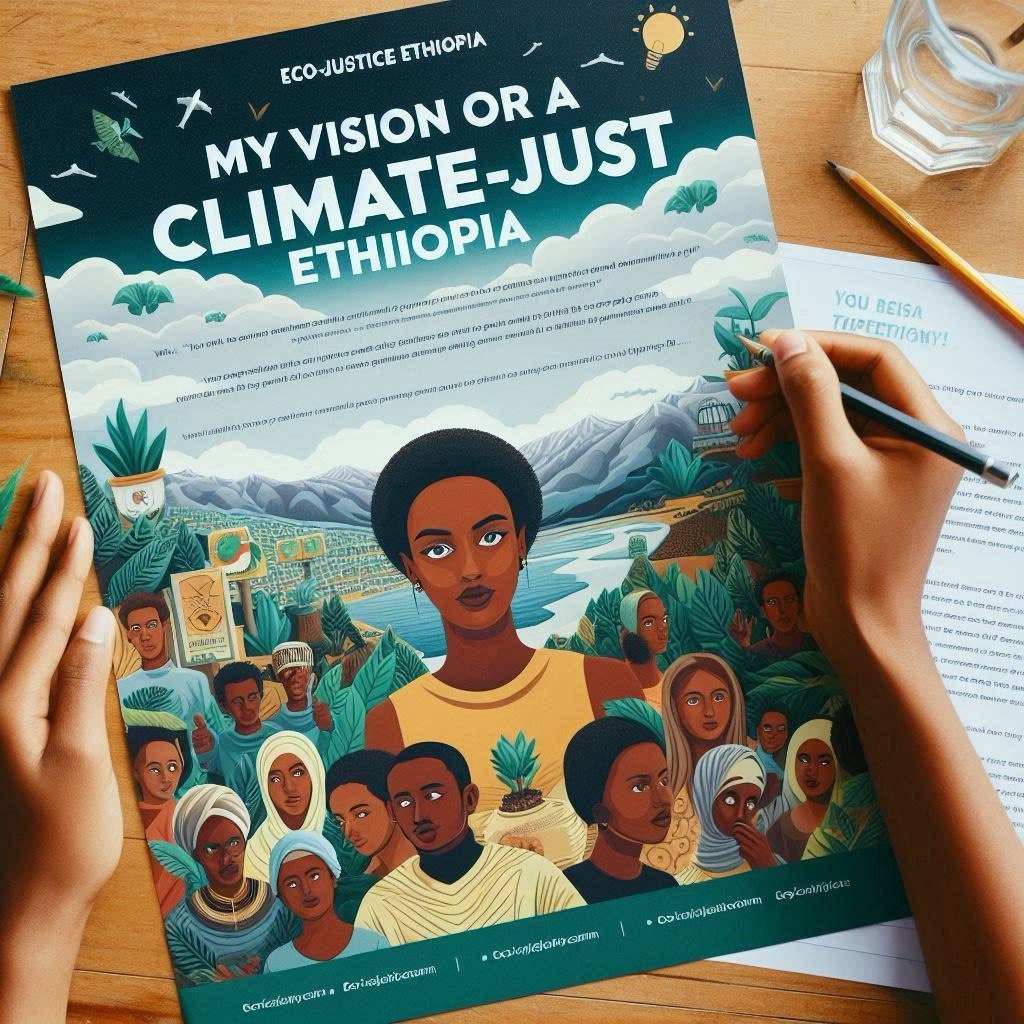
የፕላስቲክ ምርቶች አጠቃቀማቀችንና የአየር ንብረት ለውጥ
ፕላስቲክ ምርቶች በዕለት ተዕለት ህይወታችን ዙሪያ የከበቡን ነገሮች ናቸው፡፡ ፕላስቲክ ከውሃ መያዣዎቻችን አንስቶ ለልብስ መስሪያነት እሰከመዋል ድረስ ደርሷል፡፡ የፕላስቲክ ምርት የዕለት ተዕለት ኑሮአችንን አቅልሏል ብለን ከምናስበው በእጅጉ የበለጠ ረቂቅ በሆነ መልኩ አካባቢያችንን በመበከልና የሥነምህዳርና የአየር ንብረት ለውጥን በማስከተል ከፍተኛ ዋጋ እያስከፈለን ይገኛል፡፡
የፕላስቲክ ምርትና የአለማችን ሙቀት መጨመር መካከል ያለውን ትስስር በዚህ ጽሁፍ ለመዳሰስ ይሞከራል፡፡
አብዛኛዎቹ የፕላስቲክ ምርቶች ከቅሬተ አካል (ፎሲል)፣ከተፈጥሮ ጋዝና ከነዳጅ የሚሰሩ በመሆናቸው ነዳጅን በማውጣት፣ በማጣራትና በማጓጓዝ ሂደት ላይ እንደካርቦን ዳይኦክሳይድና ሜቴን የመሳሰሉ የግሪን ሃውስ ጋዞቸችን ወደከባቢ አየር በመልቀቅና በአየር ውስጥ ያለውን ሙቀት በመሰብሰብ የስነምህዳር ለውጥን ለማፋጠን ያላቸው አስተዋጽዖ በጣም ከፍተኛ ነው፡፡
የቅሬተ አካል (የፎሲል) ነዳጅን ወደፕላስቲክ ለመቀየር በጣም ከፍተኛ የሆነ የሙቀት መጠን ያስፈልጋል፡፡ ከዚህም በተጨማሪ የግሪን ሃውስ ጋዝ ወደ ከባቢ አየር ይለቃል፡፡ ችግሩ በማምረት ሂደቱ ላይ ብቻ የሚበቃ ሳይሆን ቀጣይነትና ሰንሰለታዊ ተያያዥነት ያለው ችግር ያስከትላል፡፡
- የቆሻሻ በአግባቡ አለመወገድ
የፕላስቲክ ቆሻሻዎች ክምር በአናሮቢክስ መንገድ ሲበጣጠሱ/ ሲሰባበሩ የሜታኔንን ልቀት ያባብሳሉ፡፡
- የአካባቢ በፕላስቲክ ቆሻሻዎች መሞላት / መበከል
በሚሊዮኖች ቶን የሚገመቱ የፕላስቲክ ቆሻሻዎች በየጊዜው ወደ ውሃ አላካላት ውስጥ ይገባሉ፡፡ በዚህም በውሃ አካላት ውስጥ ያለው ህይወት እና ከባቢያዊ ስነምህዳሩ ይበከላል፡፡ ከቆሻሻው የተወሰነው ወደ ማይክሮ ፕላስቲክነት በመቀየር በዑደት ( ሳይክል) ውሃ አካላት ውስጥ በሚኖሩ እንስሳት ሆድ ውስጥ በመግባት አልፎም የሰውን ጤና ወደማወክ ይሸጋገራል፡፡
- ዓለም አቀፍ ተግዳሮትና የጋራ ኃላፊነት
የአየር ንብረት ለውጥና የፕላስቲክ ምርት ቁርኝት በቀላሉ የማይታይ ፤መፍትሔውም ሩቅና በቀላሉ የሚደረስበት ባለመሆኑ የመፍትሔ እርምጃዎቹ በግለሰብ፣ በንግድ/ ቢዝነስ ተቋማትና በፖሊሲ አውጪዎች በኩል ሊወሰዱ ይገባቸዋል፡፡
- በግለሰብ ደረጃ
ለአንድ ጊዜ ብቻ የሚገለግሉ የፕላስቲክ ምርቶችን ከመጠቀም በተደጋጋሚ ልንጠቀምባቸው የሚችሉ ከጨርቅ የተሰሩ ከረጢቶችንና የጠርሙስ ውሃ መያዣዎች የመሳሰሉትን በመጠቀም የፕላስቲክ ምርቶችን መጠቀምን መቀነስ/ ማስወገድ፡፡
- በንግድ /ቢዝነስ ተቋማት
ለረጅም ጊዜ ሊያገለግሉ የሚችሉ ማሸጊያዎችን፣ በተደጋጋሚ ጥቅም ላይ የሚውሉና በቀላሉ ሊበሰብሱ የሚችሉ ማሸጊያዎችን መጠቀም፡፡
- የፖሊሲ አውጪዎች
የፕላስቲክ ምርቶችን ማምረትና መጠቀምን በእጅጉ መቀነስ የሚያስችሉ ፕሮግራሞችን ለሚነድፉና ለሚተገብሩ የተለያዩ የማበረታቻና የድጋፍ ስልቶችን መንደፍ፡፡
ማጠቃለያ
ለቀጣዩ ትውልድ ሙቀታማነቱ የቀነሰ ዓለምን ለማቆየት የፕላስቲክ ምርት አጠቃቀማችን ላይ ስር ነቀል ለውጥ ማድረግ የግድ ይላል፡፡ ከፕላስቲክ ምርቶች ጋር ያለን ቁርኝት ባለበት መልኩ ሊቀጥል አይችልም፡፡ በፕላስቲክና በስነምህዳር ለውጥ መካከል ያለውን ትስስር በሚገባ በመገንዘብ አዲስ ስልት መንደፍ ይኖርብናል፡፡ የተሻለ የቆሻሻ አወጋገድና የፕላስቲክ ምርትን መቀነስ የሚያስችሉ እና የሚያግዙ የፈጠራ ሥራዎችን በማበረታታትና ኃላፊነት የሚሰማቸውን ተቋማት በመደገፍ ከፕላስቲክ ምርቶች በመላቀቅ ለወደፊቱ ትውልድ ከሙቀት መጨመር የተላቀቀች ዓለምን ማዘጋጀት እንችላለን፡፡
Eco-Justice Ethiopia
Environmental Protection Authority, FDRE
AACJ
Financing Adaptation in Developing Countries: A Glimpse into Overcoming Climate Challenges
Financing Adaptation in Developing Countries: A Glimpse into Overcoming Climate Challenges
Climate change is no longer a distant threat; its impacts are being felt around the world, with developing countries bearing the brunt of its fury. While mitigation efforts are crucial in curbing greenhouse gas emissions, adaptation – preparing for and adjusting to the inevitable consequences of climate change – is equally essential, especially for vulnerable nations.
There seems to be certain consensus on the need for enhancing adaptation action. But these actions are very costly, and more often than not discussions both at the global and national level tend to revolve around majorly addressing the climate finance gap.
But this gap has been approached in a manner that has usually led to surface level remedy. This is why in our recent ODI report we have tried to repackage and structure the challenges in a systemic approach of supply and demand side.
Our reports package supply side challenges into three key matters, namely availability, accessibility and adequacy.
|
On the demand side, we face complex challenges rooted in economic fundamentals and limited capacity. Competing priorities often divert resources, while fragmented funding mechanisms and limited absorption capacity hinder effective utilization of available funds.
|
While this report touches upon the challenges more broadly with lighter recommendations, it provides a structured roadmap on areas that need to be categorically addressed. Findings highlight promising avenues for overcoming these challenges. It suggests that global processes within and outside the UNFCCC (United Nations Framework Convention on Climate Change) can play a crucial role in catalyzing and streamlining adaptation finance. This would satisfy both the proponents of multilateralism and those that advocate for a more bilateral engagement.
Thus, some of the key recommendations of this paper highlights the need to enhance transparency and accountability, streamlining access to finance, promoting innovative financing mechanisms and strengthening institutions and capacity as a first layer of intervention to address these demand and supply side challenges. Include
|
Financing adaptation in developing countries is not an insurmountable challenge. Structurally addressing supply and demand side constraints and harnessing the power of global cooperation. It provides better opportunity to address climate finance challenges in vulnerable nations and have the resources they need to adapt to climate change and build resilient futures.
This blog post is just a glimpse into the comprehensive analysis and insightful recommendations presented in the report. If you're interested in delving deeper into the intricacies of adaptation finance and exploring potential solutions, I encourage you to explore the full report.
A Multi-stakeholder National Consultation Workshop on the ongoing Process to Develop an International Legally Binding Instrument on Plastic Pollution
Eco-Justice Ethiopia and the Ethiopian Environmental Protection Authority successfully hosted a multi-stakeholder national consultation workshop on the ongoing process to develop an International Legally Binding Instrument on Plastic Pollution on November 7, 2023, in Addis Ababa, Ethiopia. The workshop invited participants from the private business sector, including companies that manufacture or sell products packaged in plastic. It also invited members of CSOs and waste pickers to the platform.
The workshop began with opening remarks by EPA Director HE Dr. Getahun Garedew. This was followed by a presentation by Mr. Eskedar Awgichew, Executive Director of Eco-Justice Ethiopia, titled "Shifting the Narrative on Plastic Pollution" which discussed the connections between plastic pollution, human health and rights, and environmental justice, and how the global plastics treaty can help to resolve these issues. Next Mr. Girma Gemechu, Director of Environmental Compliance Monitoring and Enforcement at EPA, presented the Proposed Resolution for Binding Instrument on Plastic Pollution, Including in the Marine Environment- Core Obligation and Means of Implementation. Mr. Gemechu provided a thorough overview of the INC's process documentation, which provided a clear picture of both the committee's previous work and its planned future activities.
The workshop concluded with a lively discussion between the attendees and the presenters. The discussion was highly informative and produced insightful comments from the attendees. The entire workshop was covered by numerous mainstream media outlets which will further create awareness of the ongoing treaty negotiation.

Promoting Climate Justice Activism in Ethiopia
Promoting Climate Justice Activism in Ethiopia
Ethiopia is one of the most drought-prone countries in the world. In the recent past, rains have become more unpredictable with rains failing completely. In the highlands, heavy rains cause flooding and soil degradation. The combination of climate change, related loss of agricultural land and aggressive economic infrastructure results in human rights violations and breed conflict. Some 1.2 million Ethiopians have been displaced due to conflict. The IOM reported that the primary causes of this displacement were conflict and climate/weather. The climate focus has been on mitigation and not community-driven adaptation.
In terms of opportunities: Ethiopia has some progressive environmental laws such as the Pollution Control Proclamation and many others. The Ethiopian government also has policies like the Sustainable Development Agenda (2021 – 2030). The existing local adaptive capacity and indigenous knowledge is also an opportunity that can be capitalized on with the right interventions.
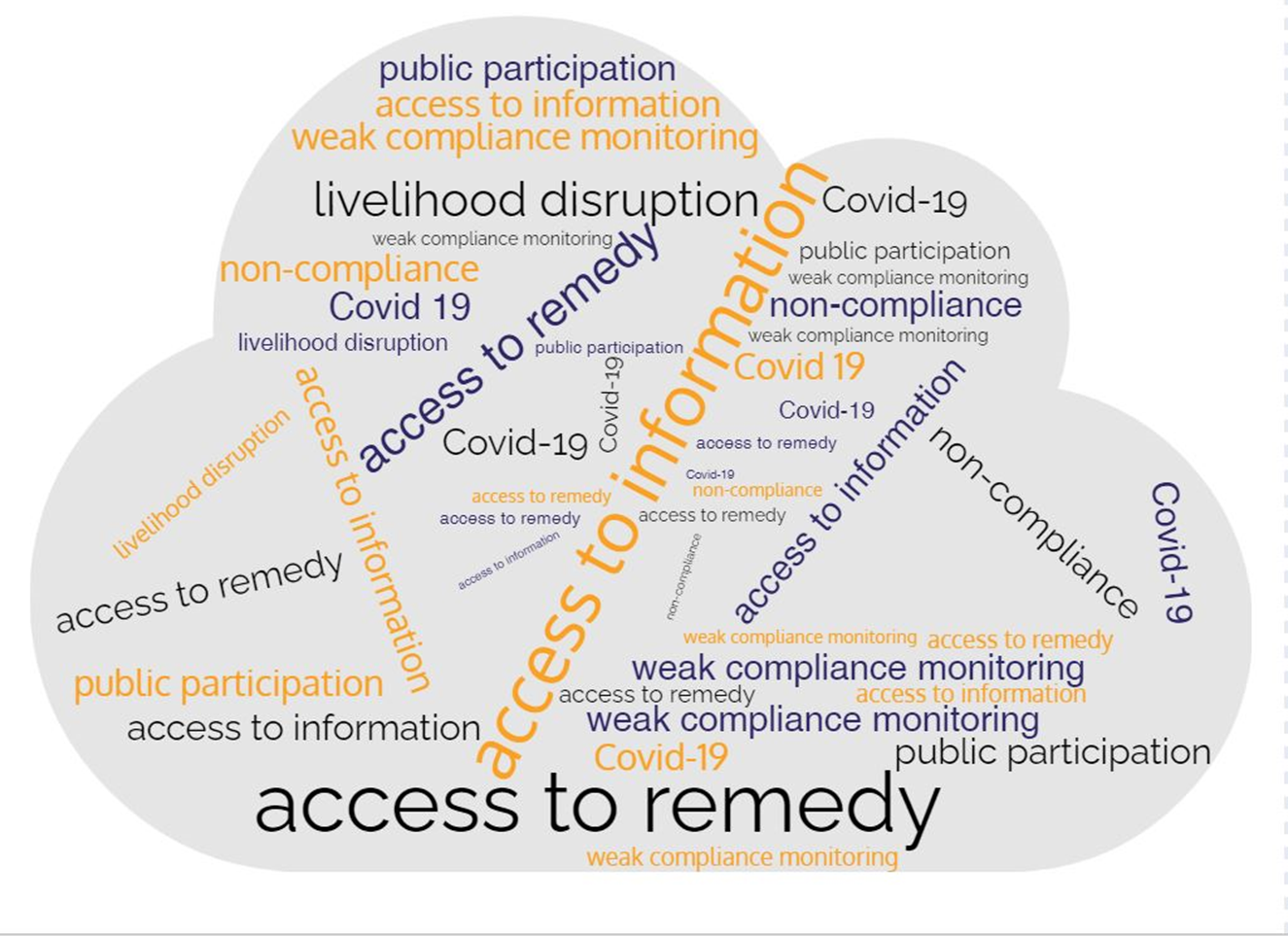
This project Aims to see:
- Empowered indigenous and local communities and CSOs will provide strong grassroots foundation to build national movements promoting and advocating for climate justice and community-driven climate narratives.
- Improved mechanisms for the participation of vulnerable groups, allow indigenous and local communities and CSOs to engage effectively with climate decision-makers at national and sub-national level to develop policies and adaptation plans and claim environmental and social rights. Local and national policies and frameworks for climate justice are developed and implemented.
The Pathways:
Pathway 1 – Strengthening Movements
Pathway 2 – Developing and Sharing African Narratives
Pathway 3 – Strengthening human rights frameworks
Pathway 4 – strengthening communities’ adaptive capacities
Pathway 5 – Increasing political will for climate just policies


© Copyright 2026 Eco-justice Ethiopia | Environmental Justice