


November 2021
Women and the Environment: Climate justice as a women’s right
By Kalkidan Lakew(MD, MSc ) and Eskedar Awgichew (LLB, LLM)
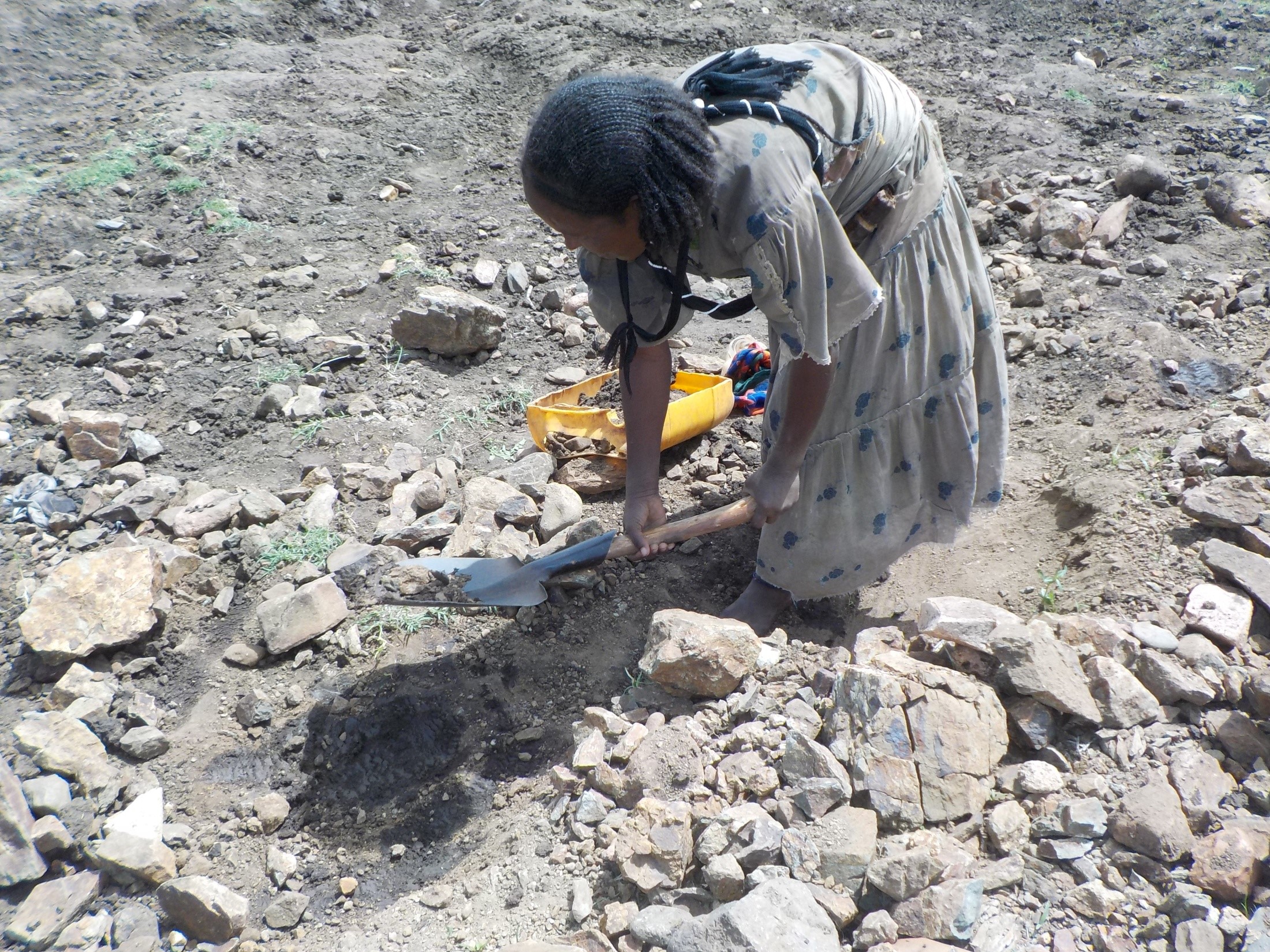
Climate change does not affect everyone in the same manner. It is a social and intergenerational injustice that is affecting populations that contributed the least. Therefore, already existing inequalities are being exacerbated by climate change. Those that are vulnerable and marginalized in the communities are being disproportionately impacted. 80% of people displaced by climate change are children and women. Therefore, we are witnessing a climate emergency that will continue to make humanitarian crises and gender inequality worse.
Women are affected highly since they work closest to natural resources for their livelihood and have the least capacity to respond to natural hazards. Women gather wood, collect water from nearby sources and farm on a smaller scale. In addition, existing social and cultural inequalities have deprived women of vital information about climate change and alienated them from decision-making. UNFPA has identified five ways climate change is hurting women. It includes: Increase of gender-based violence, an increase in child marriage, disrupting sexual and reproductive health services, increasing stillbirth and other maternal and neonatal complications. The problems stem from the impact of climate change on poverty, rise in temperature affecting health and emergency response to climate emergencies disrupting other services.
However, women should not be seen only as the vulnerable population affected by climate injustice but also the means to address the challenges. As the segment of the population who works closely with natural resources, their voice and decisions would contribute towards solutions to tackle climate change. India's Chipko movement and Kenya’s Green Belt Movement are some of the examples that portrayed the role of women championing and leading environmental movements that have been transforming the lives of communities.
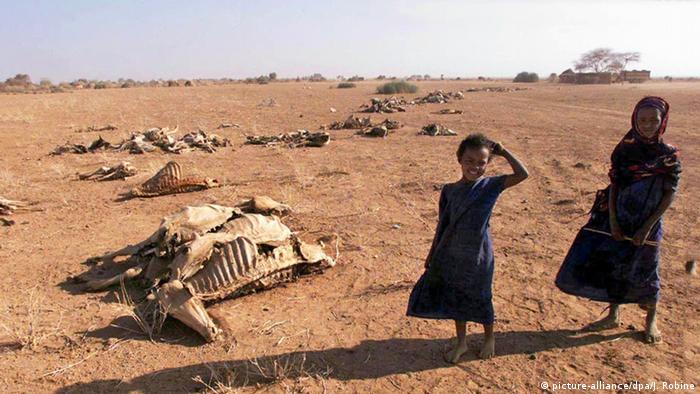
Studies have shown that women are more proactive than men when it comes to using sustainable agricultural practices and targeting women with climate and agricultural information is likely to result in uptake of new agricultural practices. It is also evident from international practices more ambitious climate legislations and policies have been passed by women elected to offices. Sustainable development especially demands the active participation of rural women in environmental planning, finance, budgeting and policy-making processes. In Ethiopia, according to the 2015 World Bank report, rural women constitute 40.15% of the Ethiopian population. Although, securing rural women's livelihoods and rights has been put as the pathway to achieve the Sustainable Development Goals(SDGs) and the Growth and Transformation Plan (GTP II) by the nation, the reality is lagging behind.
Ethiopia accounts for less than 0.1 percent of emissions globally. However, it is already experiencing the adverse effects of climate change including increases in average temperature and changes in precipitation. 85% of the farmers are dependent on rain-fed agriculture which is being highly impacted by variability and extreme weather events. According to the World Health Organization, under a high emissions scenario, diarrhoeal deaths attributable to climate change in children under 15 years old in Ethiopia is projected to be about 9.6% of the estimated 42,000 diarrhoeal deaths projected by 2050. It is also projected that by 2030, about 248,000 additional people may be at risk of river floods annually due to climate change. Therefore, the inclusion of women in this dooming emergency is not only the right approach but also a smart one.
Climate justice is vital for effective environmental governance by addressing inequity and responding to the unique challenges and opportunities for different groups of people.
As a nation working towards achieving the SDGs, Ethiopia must work to address the environmental sustainability problem that is affecting its women disproportionately. The role of civil society organizations is not dispensable to create awareness and understanding on the role of gender equality in the fight against climate change and the complex relationship between these two essential concepts. Women-led movements and organizations working to address gender inequality must also put climate justice as one of their core activities. It is vital as well to mainstream gender issues into climate change policies and programmes in the environmental sector through various initiatives including research, advocacy and capacity development.


